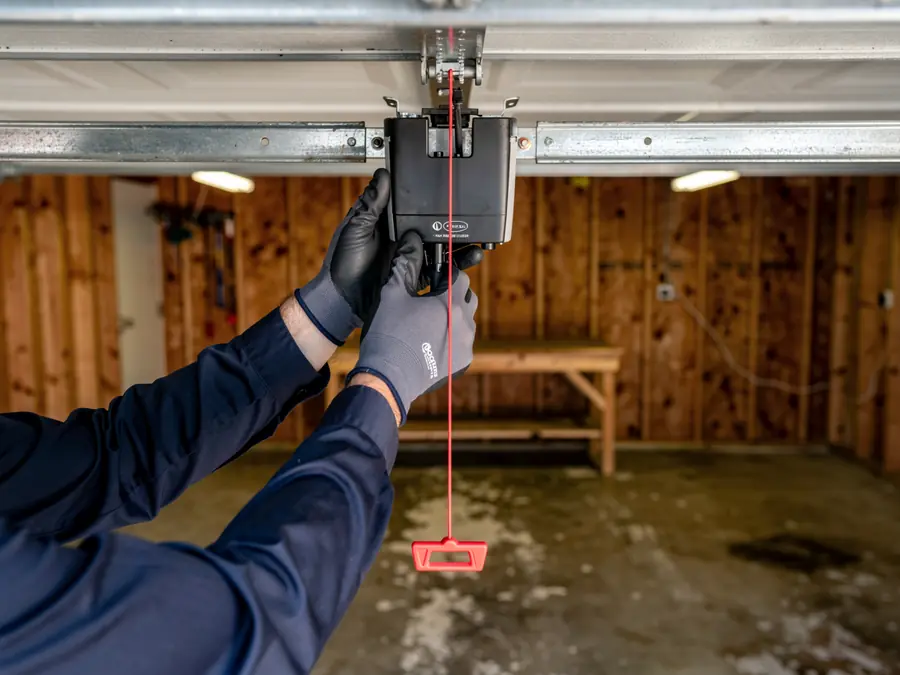
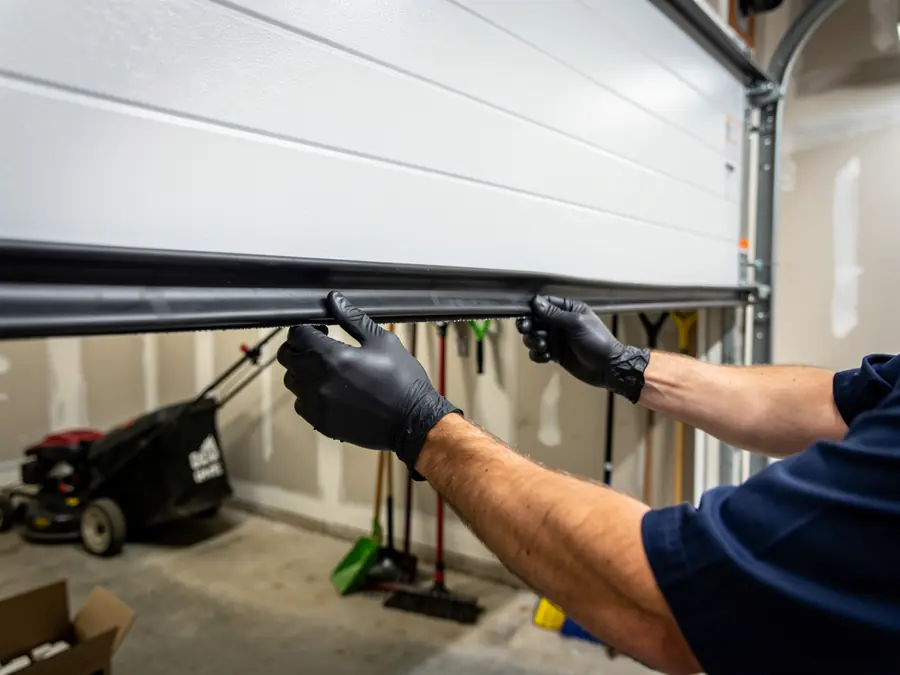
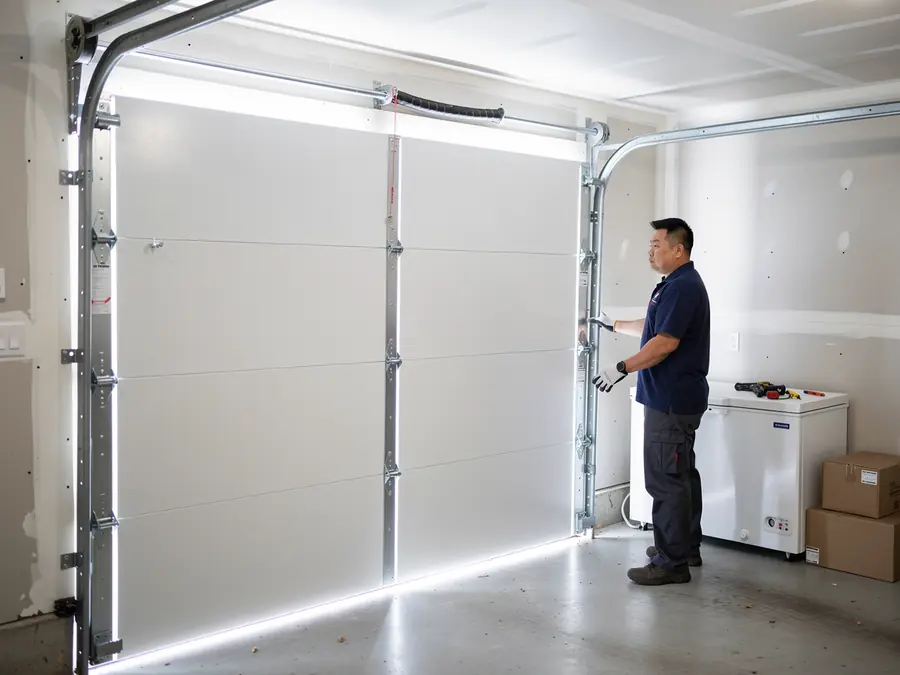
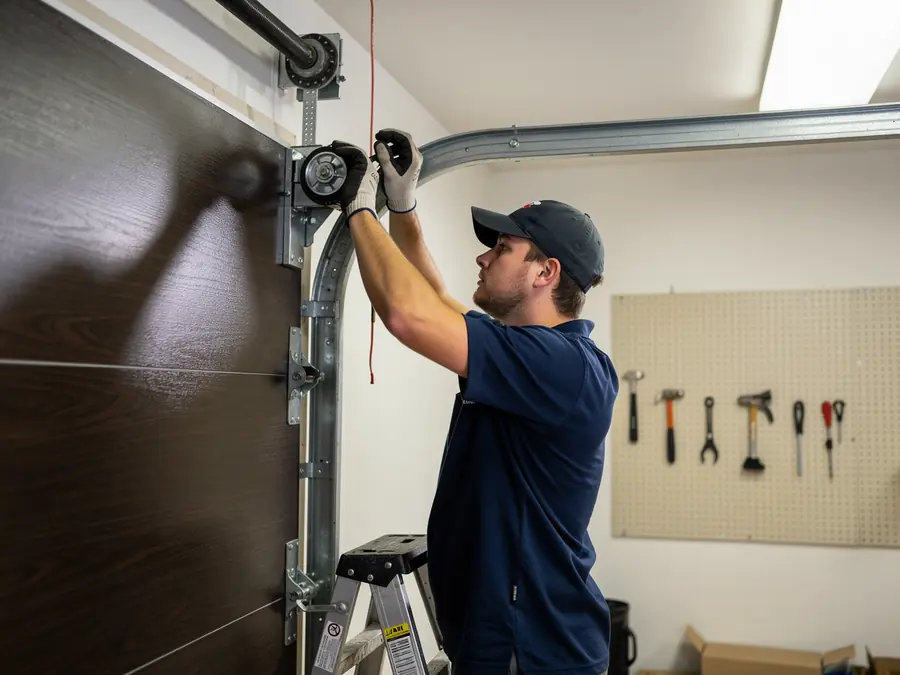
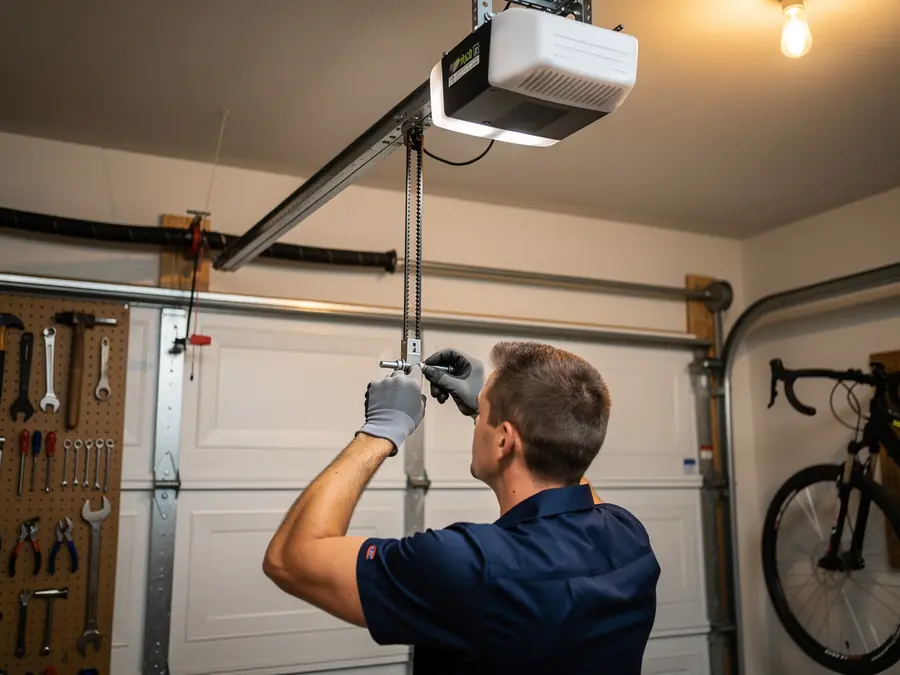
Most of the housing stock in this service area went up between 1950 and 2003, with a lot of it clustered in the 1980s and 90s across six named areas around Coeur d'Alene. That matters because torsion springs have a duty cycle, not an expiration date tied to the calendar - they're rated for a number of open-close cycles, and a door installed in the 80s or 90s on a house that's been lived in for three decades is well past due. Add the cold moderate climate band this region sits in, and you get steel that contracts in a hard overnight freeze, grease that thickens, and a spring already near the end of its life finally giving out. We see the same pattern on openers from that same era: the gears are plastic, the capacitors in the motor head age out, and nobody notices until the door won't move. None of this is a defect unique to one house. It's what happens when a few decades of housing stock and a cold winter climate meet metal parts that were never meant to last forever. That's also why these calls cluster - a cold snap doesn't break one door in the neighborhood, it breaks the five or six that were already close to failing.