Blog
Openers, Power Cuts, and the Coeur d'Alene Housing Stock
Most Coeur d'Alene openers date to the 1980s-90s housing boom and predate battery backup. Here's what cold-season power cuts do to them and when to call.
When to Call Someone
A lot of the openers running in this area went in when the house did, and across the six main neighborhoods here that usually means sometime in the 1980s or 90s. That's old for a motor unit. If yours grinds before it catches, reverses for no reason, or the light flickers when the carriage moves, the circuit board or the capacitor is on its way out, not the remote. Call someone when the door starts and stops mid-travel, when the manual release cord feels stiff or won't pull free, or when the unit runs but the door doesn't move - that's usually the drive gear, and on a unit this old it's often cheaper to replace the opener than source the part. One honest note: if your opener predates battery backup, which plenty here do given the build years, adding backup to a dying unit is throwing good money after bad. Replace the whole thing instead. Don't wait for the night it fails during an outage to find out which category you're in.
What the Weather Here Does to It
This area sits in a cold, moderate climate band, which means real winter - sustained freezing stretches, snow load, and the ice that comes with both. That combination is hard on power lines, and when lines go down the opener goes down with them. For houses built in the 1980s-90s stock that makes up most of this area, battery backup wasn't standard equipment, so a power cut here often means a door that's stuck however it was last left - closed if you're lucky, open if you're not. Cold does a second thing too: it thickens the grease in the opener's drive mechanism and the chain or belt, making the motor work harder and draw more current right when voltage from an aging circuit board is already marginal. That's why opener failures here cluster in the coldest weeks, not evenly across the year. It isn't the opener failing in isolation - it's an old motor under extra load, feeding off a grid that's more likely to blink out in a cold snap than in July.
Leaving It Alone
The temptation is to let a flaky opener ride until spring, since it mostly still works. The risk with houses on this 1980s-90s opener stock is that failure tends to be sudden, not gradual - a board that intermittently misfires one week can stop responding completely the next, often during the same cold snap that's already straining the local grid. If that coincides with a power cut, you're left with a door you can't open by remote and a manual release you haven't tested in years. On an older unit, that release mechanism can be stiff enough that it doesn't work smoothly on the first cold try either. Leaving it alone also means you lose the choice of timing - you replace the opener on your schedule now, or on its schedule later, usually during the worst week of the year. For households in the 1950-2003 build range generally, and especially those still running original or first-replacement openers, a working manual release and a known plan for an outage matter more than they do in a newer build with backup power already wired in.
The Problem
Put the two things together and you get the actual issue: a service area with roughly 7,960 owner-occupied houses, most running openers that match the 1980s-90s construction wave, in a climate band where cold-season power cuts aren't rare. Older openers without battery backup simply stop when the power does, and a motor already working harder in cold temperatures is more likely to be the first thing to fail when the lines go down. It's not one bad part - it's an aging opener generation meeting a weather pattern that reliably takes down power for stretches at a time. The fix isn't exotic: know whether your release cord actually works before you need it, and if your opener is original to a house built in that window, treat a replacement with battery backup as planning rather than an upgrade. We don't stock every control board for units that old, so a same-day board swap isn't always possible - sometimes a full opener replacement is the faster, more honest answer than chasing a part.
Questions
Common questions
Does my opener need battery backup if I already lose power sometimes?
If your house falls in the common 1980s-90s build range here, it's likely your opener predates battery backup as a standard feature. In a cold climate band where winter power cuts happen, backup means you can still open the door from the remote during an outage instead of relying on the manual release.
Why does my opener act up more in winter than summer?
Cold thickens the lubricant in the drive chain or belt, making the motor pull harder to move the door. On an aging circuit board - common in openers original to houses built in the 1980s-90s - that extra draw is often what pushes a marginal board into failing.
Is it worth repairing an opener from the original house build?
Depends what's failing. A sensor or remote is worth fixing. A circuit board on a unit from the 1980s-90s construction wave often isn't, since parts are hard to source and a new opener with battery backup solves the power-cut problem the old one never addressed.
Recommendation
You Might Also Like
More garage door guides for Coeur d'Alene homeowners.
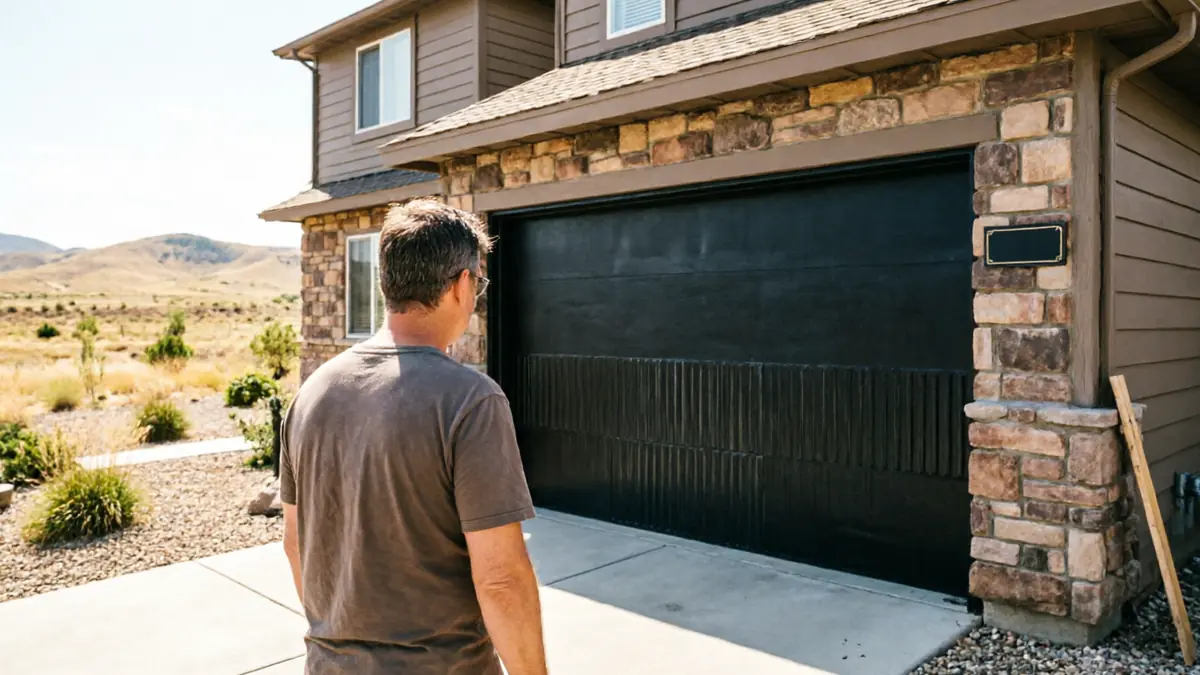 What a Service Call Actually Covers in Coeur d'Alene
A real service call in Coeur d'Alene checks spring age against 1980s-90s housing stock, winter wear on tracks and seals, and whether repair beats replacement.
What a Service Call Actually Covers in Coeur d'Alene
A real service call in Coeur d'Alene checks spring age against 1980s-90s housing stock, winter wear on tracks and seals, and whether repair beats replacement.
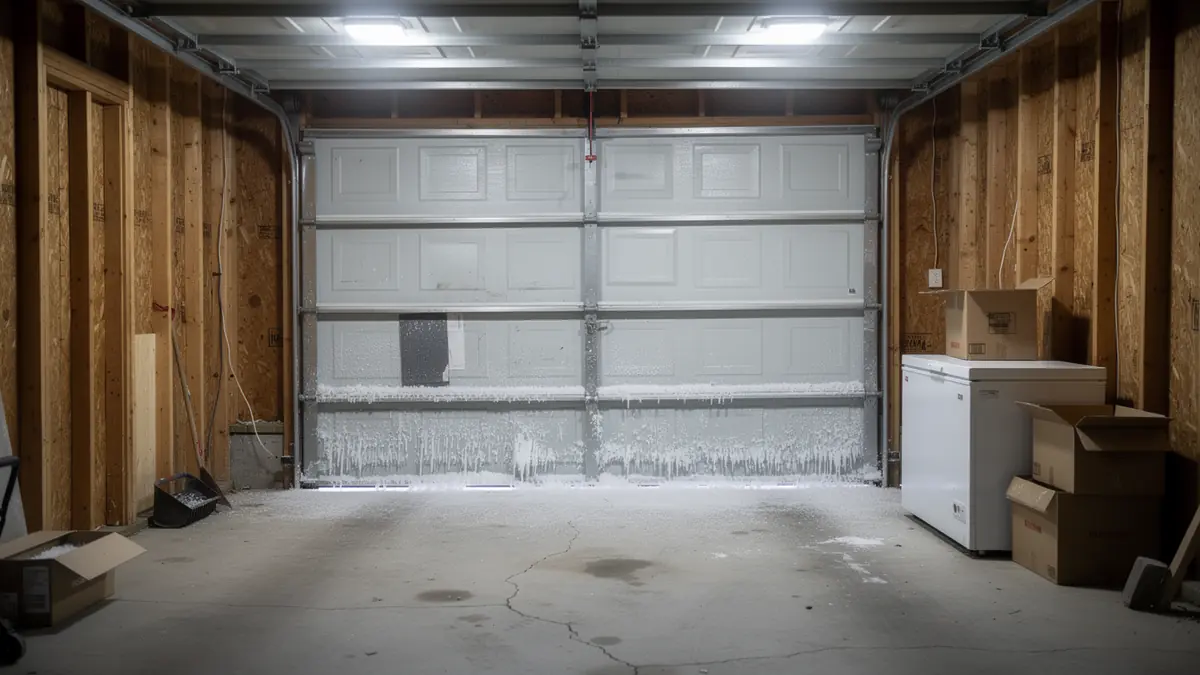 Is Your Older Garage Door Still Worth Fixing
Most Coeur d'Alene homes date from the 1980s and 90s.
Is Your Older Garage Door Still Worth Fixing
Most Coeur d'Alene homes date from the 1980s and 90s.
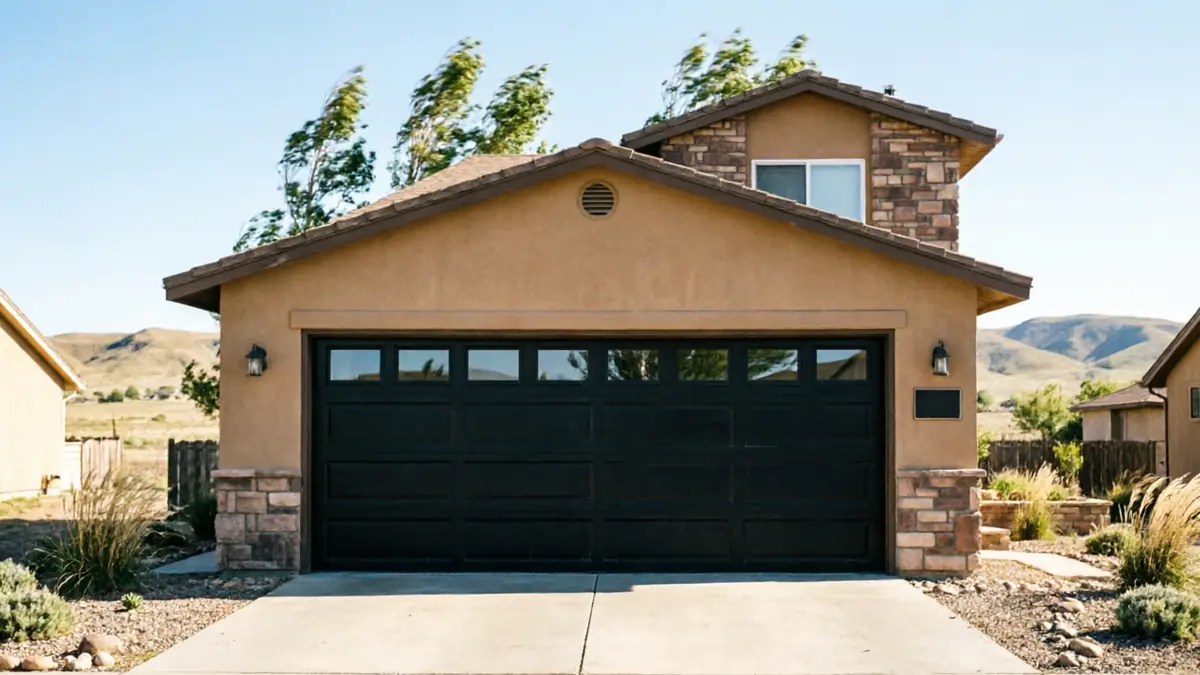 The Doors Coeur d'Alene Built Before Insulation Rules Caught Up
Coeur d'Alene homes built 1950-2003 often still have original uninsulated steel doors.
The Doors Coeur d'Alene Built Before Insulation Rules Caught Up
Coeur d'Alene homes built 1950-2003 often still have original uninsulated steel doors.
Ready when you are
Need a garage door sorted in Coeur d'Alene?
Coeur d'Alene Garage Door Pros repairs and installs garage doors, springs and openers in Coeur d'Alene, ID and the surrounding area.