Blog
Is Your Older Garage Door Still Worth Fixing
Most Coeur d'Alene homes date from the 1980s and 90s. Here's how to tell if your original door and opener are worth repairing or past it.
When to Call Someone
If your house is part of the housing stock built between 1950 and 2003 that makes up most of this area, with a lot of it going up in the 1980s and 90s, there's a decent chance the door and opener on it are original or close to it. That matters because a door from that era is usually a steel sectional on a standard torsion or extension spring setup, not some proprietary system, which means a worn roller, a stretched cable, or a spring at the end of its life is still a straightforward repair. Call when the door is slow to open, when you hear a loud bang before it moves (that's usually the spring), or when one side drags and the panels look uneven going up the track. Those are wear problems, not structural ones, and on a door from that generation they're almost always fixable. What we won't do is pretend a 20-plus-year-old opener motor with a dying logic board is worth chasing part by part - at some point swapping the opener costs less than nursing it along, and we'll tell you when you're there instead of running up a bill.
What the Weather Here Does to It
This area sits in a cold, moderate climate band, which means real freeze-thaw cycling through the winter months rather than one hard freeze and done. That cycling is hard on a few specific things: it stiffens grease in torsion springs so they bind and wear unevenly, it swells and shrinks wood jambs enough to throw an aligned track out of square, and it cracks the bottom rubber seal faster than a dry climate would. On a door that's already 20 or 30 years old, those small seasonal stresses compound. A track that was a quarter-inch off in October can be dragging a roller by February. None of this means the door is done - it means the hardware needs checking before winter sets in, not after something snaps in a cold snap when parts take longer to source.
Leaving It Alone
Not every noise or stiff spot means the door needs work. A door that opens a little slower on a cold morning and loosens up by afternoon is just doing what steel and old grease do in this climate - that's not a repair call, that's weather. Likewise, cosmetic rust on a door that's weathered 20-plus Coeur d'Alene winters doesn't mean the door is failing; if the panels are still square and the track is still true, painting over surface rust is a fine answer and cheaper than replacement. We'd rather tell you to leave it alone and save your money than find a reason to come out for something that isn't actually broken.
The Problem
The real issue with older doors here isn't usually the door itself - steel sectional doors from the 1980s and 90s were built heavy and they hold up. The problem is the hardware around them: springs rated for a certain cycle count that have quietly worn past it, openers with safety sensors that predate the reversing-force standards now required, and tracks mounted to jambs that have shifted slightly over 20-plus years of seasonal swelling. With roughly 7,960 owner-occupied houses across this service area built mostly in that same window, this is the most common call we get - not a dead door, but original hardware that's aged out of spec quietly enough that nobody noticed until the day it didn't catch. That's worth fixing almost every time. What isn't worth fixing is a door with a bent or buckled panel from an impact, or a frame that's racked out of square - on those, we'll generally tell you replacement is the better money, not more repair.
Questions
Common questions
How do I know if my garage door is original to the house?
If your home was built in the common 1980s-90s window for this area, check the spring and track hardware for a manufacture date or look for a steel sectional door with simple raised-panel styling typical of that period. A tech can usually confirm age on sight from the hinge and track hardware style.
Does cold weather actually damage garage door springs?
Yes, in a climate with real freeze-thaw cycling like this one. Cold stiffens the lubricant in torsion springs, which makes them work harder and wear unevenly over repeated winters. It doesn't usually break a spring outright, but it shortens the life of one that's already near the end of its cycle count.
Is it cheaper to fix an old opener or replace it?
Depends what's failing. A dead sensor or remote is a cheap fix on almost any opener. A failing logic board or motor on a unit from the original build era usually costs close to what a new opener runs, so at that point replacement is the better use of the money.
Recommendation
You Might Also Like
More garage door guides for Coeur d'Alene homeowners.
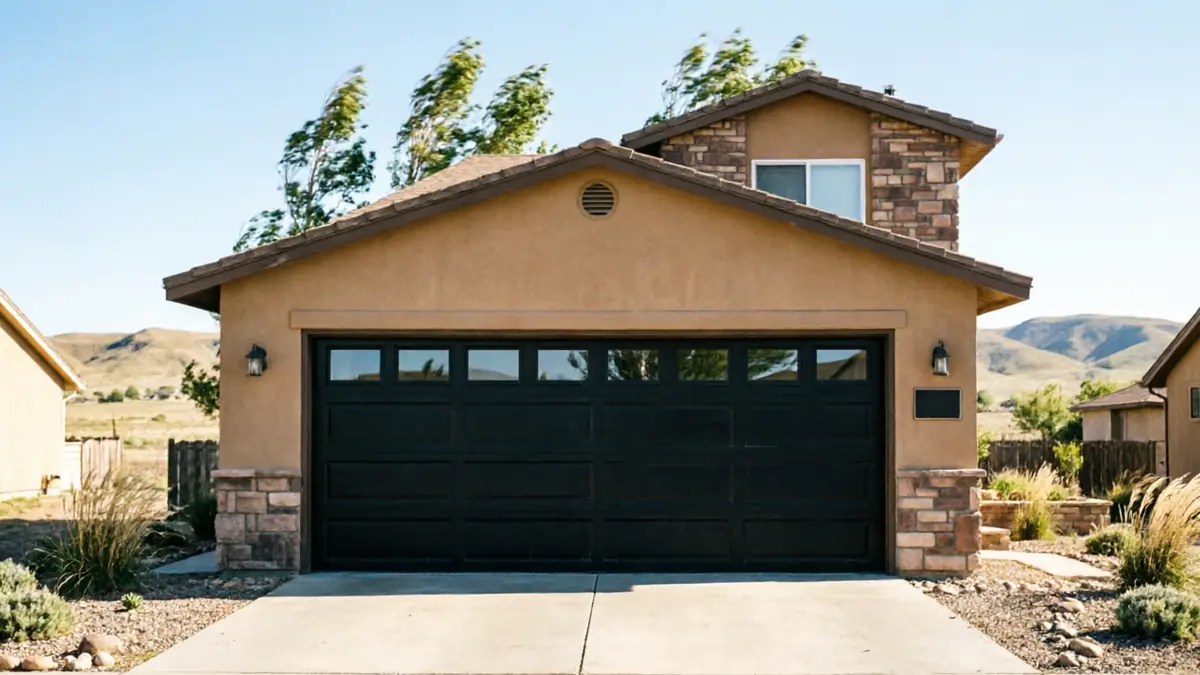 The Doors Coeur d'Alene Built Before Insulation Rules Caught Up
Coeur d'Alene homes built 1950-2003 often still have original uninsulated steel doors.
The Doors Coeur d'Alene Built Before Insulation Rules Caught Up
Coeur d'Alene homes built 1950-2003 often still have original uninsulated steel doors.
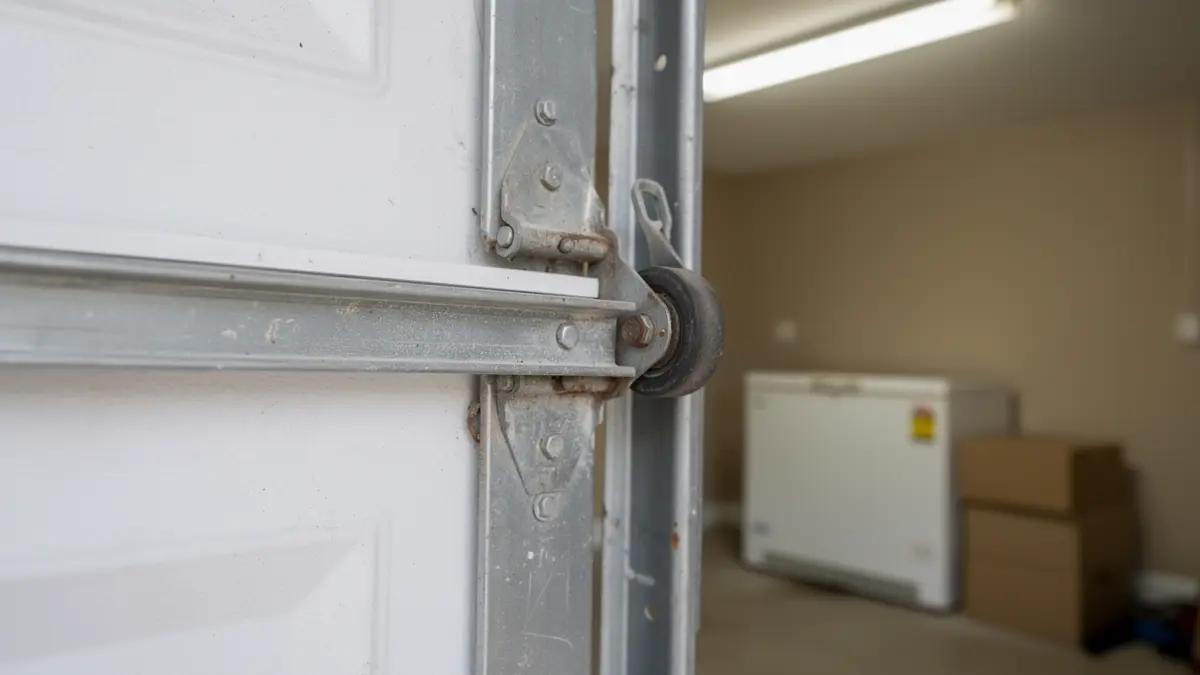 Openers, Power Cuts, and the Coeur d'Alene Housing Stock
Most Coeur d'Alene openers date to the 1980s-90s housing boom and predate battery backup.
A Broken Spring in Cold Weather, Explained for Coeur d'Alene Homes
Why cold snaps in Coeur d'Alene snap torsion springs on 1980s-90s doors, what to do when it happens, and when calling it in beats waiting it out.
Openers, Power Cuts, and the Coeur d'Alene Housing Stock
Most Coeur d'Alene openers date to the 1980s-90s housing boom and predate battery backup.
A Broken Spring in Cold Weather, Explained for Coeur d'Alene Homes
Why cold snaps in Coeur d'Alene snap torsion springs on 1980s-90s doors, what to do when it happens, and when calling it in beats waiting it out.
Ready when you are
Need a garage door sorted in Coeur d'Alene?
Coeur d'Alene Garage Door Pros repairs and installs garage doors, springs and openers in Coeur d'Alene, ID and the surrounding area.