Coeur d'Alene, IDSame-day service/Free estimates/Licensed & insured(208) 306-2566

Dalton Gardens, Coeur d'Alene

Garage Door Repair for Dalton Gardens' 1973-Era Homes

Dalton Gardens homes mostly date to 1973 - two decades older than the area median. See what original springs and openers from that era are doing now and how we handle the call from Coeur d'Alene.

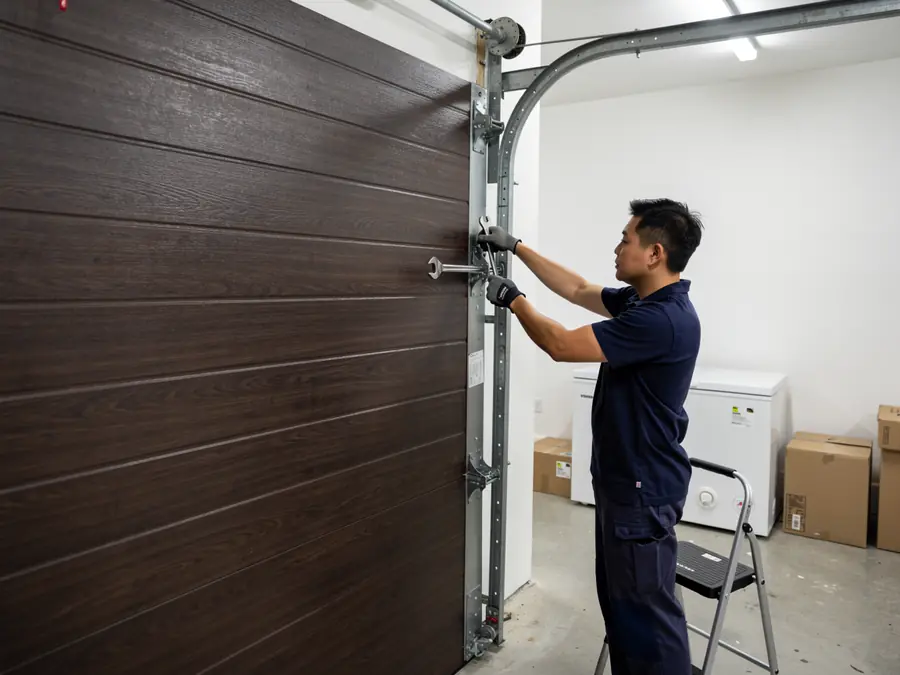
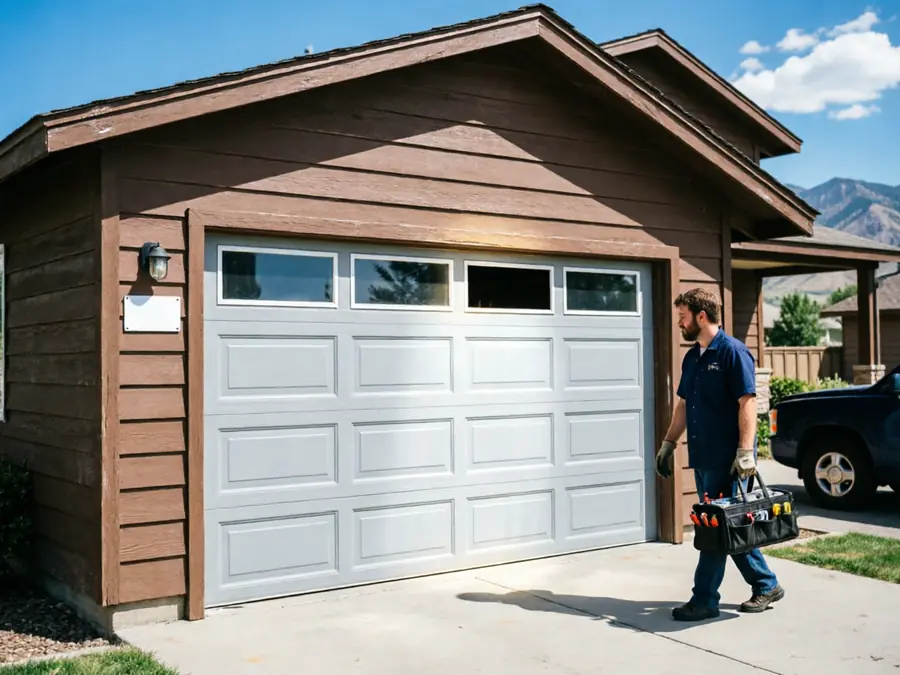
A technician adjusts the brown garage door with a wrench.
Same-day serviceTrusted local pros
Serving Coeur d'Alene, IDBackground-checked techsHonest, upfront pricingFast local response

Booking

How to Book

We're based in Coeur d'Alene, about 2 miles from Dalton Gardens - the closest of the communities we run calls to. There's no branch office or truck stationed in Dalton Gardens itself; every job here starts with a drive down the road from our home base.

  1. Local stock familiarity

    That short distance matters less for how fast we show up and more for the fact that we see this neighborhood's housing stock often enough to know what's likely behind the panel before we open it.

  2. Bring era-typical parts

    Call and tell us the symptom - a door that won't close, a spring that let go, an opener that grinds - and we'll bring the parts that era of hardware usually needs.

Local causes

Why This Fails Locally

Most houses in Dalton Gardens went up around 1973 - a good two decades ahead of the 1995 median for the wider service area. That gap is the whole story here. A door installed when a house was built in the early-to-mid 1970s has had roughly fifty years to wear through its torsion spring's rated cycle count two or three times over, and in a lot of cases nobody's ever swapped it. Openers from that period, if they're even the original chain-drive units, predate modern auto-reverse safety standards entirely. With about 1,072 households in Dalton Gardens - a small enough pocket that the housing stock reads fairly uniform - we see the same failure patterns repeat house to house: springs that were never upgraded, tracks mounted to framing that's shifted slightly over fifty winters, and cable drums worn thin from decades of use nobody tracked. None of this is dramatic.

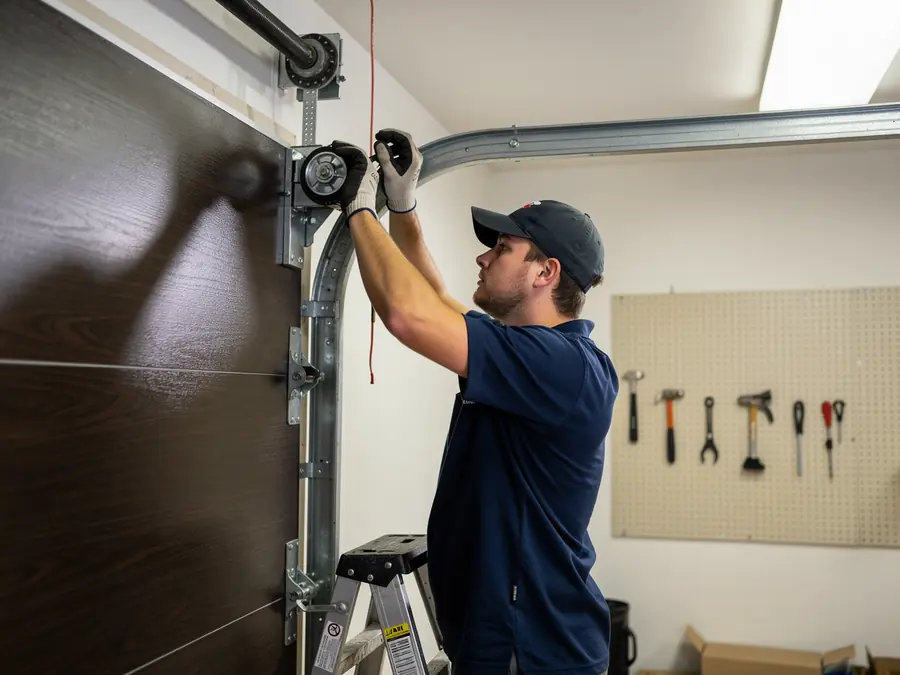
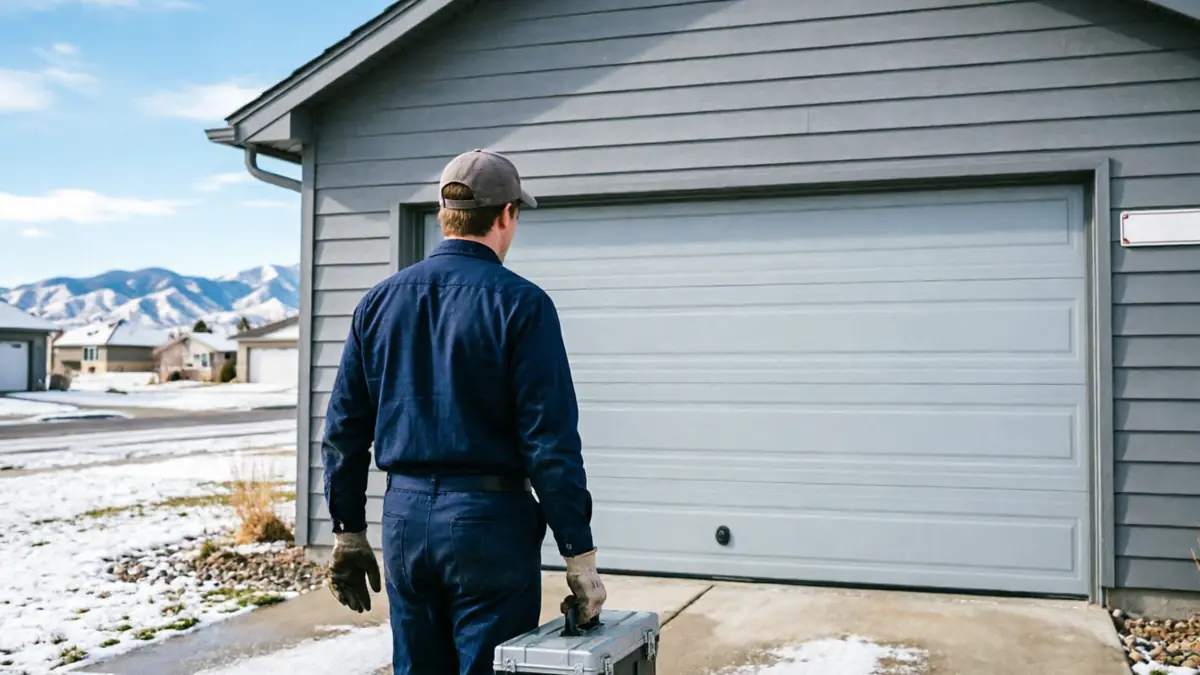
A technician with a toolbox stands facing a gray garage door.

Watch-outs

What Can Go Wrong

The torsion spring is the first thing to go in a house this age - original 1970s springs were often undersized by today's cycle-rating standards, and if it's never been replaced, it's long past due.

Total lift failure

When it breaks, the door won't lift, full stop. Next most common: the opener itself, especially chain-drive units old enough to lack modern safety reversal, which can fail in ways that leave the door reversing unpredictably or not responding to the wall switch at all.
Plain steel rollers wear

Rollers and hinges on original steel doors from this era tend to be plain steel rather than nylon, so they wear loud and eventually bind in the track. Cable fraying shows up more on these older systems too, since drums and cables from the '70s weren't galvanized to the standard used today.

Warning signs

How It Shows Up

It rarely starts with the door refusing to move entirely - that's usually the end stage. More often it's a door that's gotten noticeably heavier to lift by hand, or an opener that strains and clicks before it gives up partway through the cycle.

Door crooked in frame

Some owners notice the door sitting crooked in the frame, one side higher than the other, which on a house this age almost always points to a cable that's stretched or started fraying on one side rather than the other.

Popping sign of spring

A grinding or popping sound right as the door starts moving is often the torsion spring telling you it's close to the end, not an indication of anything with the opener.

Downtime

How Long You Are Without the Door

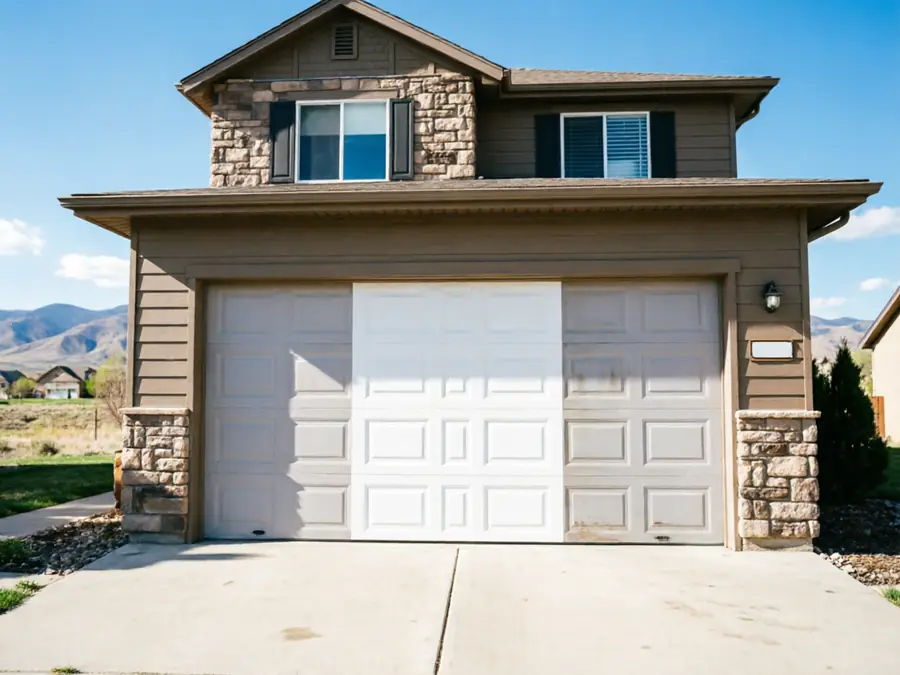
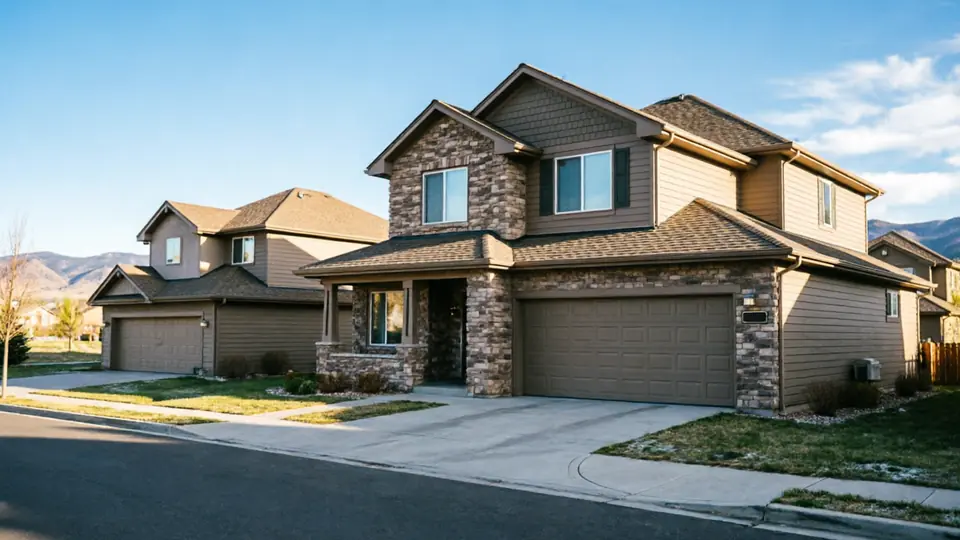
A two-story house with a brown garage door and stone facade.

Here's the honest part: if a torsion spring sized for a 1970s door needs replacing and we don't have that exact spring on the truck, it can mean a short wait while we get the right part rather than a same-visit fix - older systems don't always match what's stocked for newer doors. Most spring and cable jobs we can close out in one visit once we've got eyes on the hardware, but a full opener replacement on a house this age sometimes means ordering a unit that fits the existing header clearance, since older garages weren't always framed to current opener dimensions. We won't force a modern opener onto brackets it wasn't built for just to finish faster - that's a comeback call waiting to happen.

Questions

Common questions

Is my garage door original to my house in Dalton Gardens?

If your house was built around 1973, which is typical for this neighborhood, there's a real chance the spring, track, or even the opener has never been swapped. We can't tell you for certain without looking, but original 1970s hardware on an un-renovated door is common enough here that it's worth checking rather than assuming it's been updated.

Do you have a shop or office in Dalton Gardens?

No. We run out of Coeur d'Alene, about 2 miles away, and come to Dalton Gardens for every call. There's no local branch, just a short drive from our home base to your driveway.

Why does my door feel so much heavier than it used to?

On a door this age, a heavier lift almost always means the torsion spring has lost tension or is close to failing outright. Springs from the early 1970s weren't built to today's cycle ratings, and after fifty years most have never been replaced.

Will a new opener fit my old garage without changes?

Not always. Garages framed in the early 1970s sometimes have less header clearance than modern opener brackets expect, so we may need to order a unit sized for your existing setup rather than installing off the shelf.

Ready when you are

Need a garage door sorted in Coeur d'Alene?

Coeur d'Alene Garage Door Pros repairs and installs garage doors, springs and openers in Coeur d'Alene, ID and the surrounding area.

Certified Experts Quality Assured
Call Now(208) 306-2566